
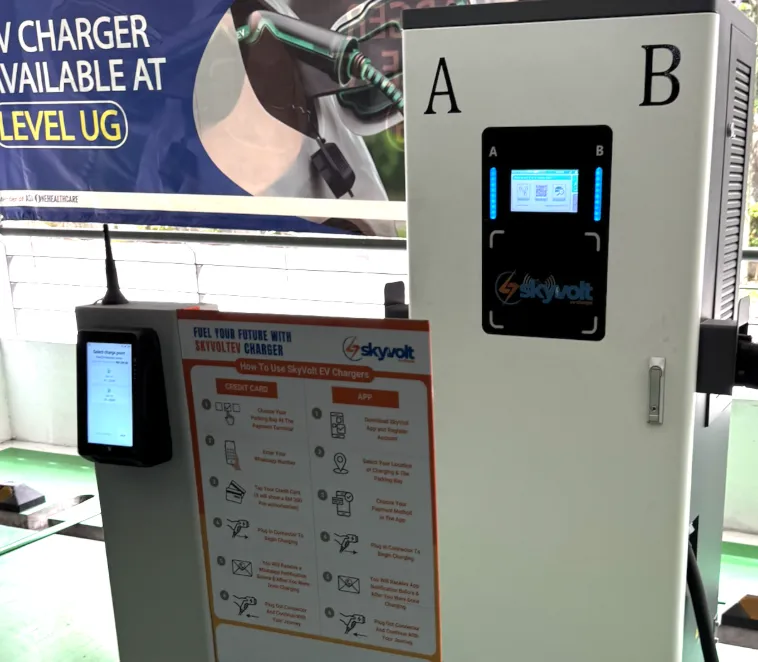
OCPP connects charging stations to a charging management system. Choosing a protocol version is one part of a charging project; the actual charger, firmware, platform and required features also need to work together.
The Open Charge Alliance describes OCPP 1.6 as widely implemented and identifies improvements in OCPP 2.0.1 including device management, transaction handling, security, smart charging and ISO 15118 support. It also states that OCPP 1.6 and OCPP 2.0.1 are not compatible protocols. A deployment should therefore verify the actual integration rather than assuming a version upgrade is interchangeable.
Start with the charging use case
Before selecting equipment, define who will use the chargers, where they will be installed and how access and payments will work. A residential installation, workplace charger and public destination site can have different operating requirements.
Bring the electrical requirements into the same discussion. Available capacity, charger locations, cable routes and the intended operating arrangement all affect the project scope.
Ask what is implemented
A protocol version does not establish that every optional feature is implemented on a particular charger or platform. Ask the supplier and platform team about the features the project actually needs, including:
- How transactions and meter readings are recorded and reconciled.
- Which device settings and diagnostic information are available remotely.
- How access, payment and user support work in practice.
- Which charging profiles and load-management functions are supported.
- How security configuration and certificate management are handled.
Plan mixed fleets deliberately
Where existing chargers need to remain in service, confirm the protocol and firmware each unit supports. A management platform may support multiple protocol versions, but compatibility and feature coverage should be established for the actual equipment being connected.
Do not assume that firmware alone can add a new protocol or that a translation layer can provide hardware capabilities a charger does not have. Scope and test the intended integration with the relevant suppliers.
Look beyond the protocol label
The Open Charge Alliance now also publishes OCPP 2.1. The best choice for a particular project depends on the equipment, platform support, implemented functionality and operating requirements, rather than the version number alone.
For technical specifications and current protocol information, consult the Open Charge Alliance’s OCPP overview. This article was reviewed against that overview on 15 October 2026.
Discuss the whole installation
ID IOT brings electrical infrastructure and system integration into the same project discussion. Speak to James about EV charging infrastructure and consultation, or explore SKYVOLT for the specialist charging platform.