
Prepaid metering solves a practical problem: users pay for energy before consuming it, and their balance reduces with usage. Our reason for moving that experience online is the work surrounding the meter—helping operators understand consumption, manage payments and support users across rooms, units and sites.
That is the thinking behind Splinergy, ID IOT’s energy-management offering. The aim is to connect measurement with an operating workflow that property teams and tenants can use.
Where an offline arrangement becomes harder to manage
An offline prepaid installation can suit a simple site. Depending on the equipment, credit may be transferred using a token, card or another local process. Its suitability depends on how payments, readings and support are handled.
The operational questions become more demanding as a property grows. Which unit has used the energy? Has a payment been recorded? Is the meter communicating? Can a tenant resolve a balance enquiry without someone travelling to the premises?
If these answers sit in separate devices, messages and spreadsheets, staff have to piece the story together. Bringing compatible meters online gives the operator a shared place to review the information and manage the next action.
What an online metering system connects
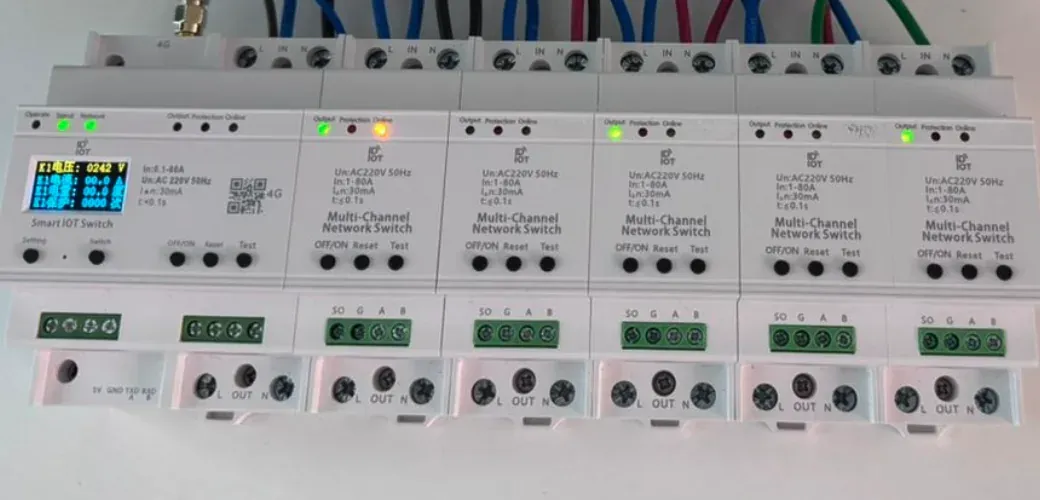
A useful online system links the physical meter, its communications connection and the platform record. Splinergy’s published offering combines compatible 4G or Wi-Fi metering hardware with live monitoring, tenant management, payment workflows and remote control.
For a property operator, that can bring together:
- Usage information: energy consumption and available electrical measurements from the selected device.
- Tenant and meter records: an organised relationship between the premises, unit and connected equipment.
- Payment and credit workflows: online tenant top-ups through the optional gateway, or operator-managed top-ups through the platform.
- Remote operations: reviewing device status and carrying out supported switching actions through the system.
The benefit is an operating view of the installation, with fewer separate records to reconcile manually.
Make the top-up experience understandable
Tenants need to know how to pay, what balance they receive and how to get help. Payment fees, credit allocation and the supply-restoration process should be clear before the system is introduced.
Splinergy supports an optional online payment gateway. Operators can also manage collection and credit through their own payment process. That choice matters: a property may need a different workflow from another site, even when the metering hardware is similar.
Remote switching also needs an agreed operating policy. The system’s published FAQ describes an operator restoring supply remotely after a tenant tops up. The actual configuration, permissions and support process should be confirmed for the deployment.
Connectivity is part of the engineering scope
Putting a dashboard online does not remove the need to plan the installation. The project still needs suitable meters, electrical installation work and a dependable communications arrangement.
Before selecting equipment, discuss coverage at the actual distribution-board locations. Review Wi-Fi availability or 4G signal, who maintains the connection, and the hardware, connectivity, subscription and payment-processing costs.
Also establish what happens during a connection outage: what continues locally, when readings synchronise, and how staff handle a payment or credit enquiry. These behaviours should be checked for the proposed equipment and platform rather than assumed.
Online metering can also serve monitoring-only projects
Prepaid billing is one use case. A factory, shop or multi-branch operator may want energy visibility without charging tenants at all. Splinergy’s published FAQ includes monitoring-only use, with measurements and history supporting investigation and cost allocation.
Splinergy sub-metering sits downstream of the utility meter; it does not replace the utility’s meter or the building’s utility account. The appropriate arrangement depends on what the operator needs to measure and manage.
Start with the workflow you need
For a new installation or a proposed change from offline prepaid equipment, start with the number of units, existing meter models, distribution-board photographs and the payment process you want to support. Compatibility needs to be reviewed; existing offline equipment may require replacement.
Discuss energy measurement and integration with James, explore the Splinergy offering, or read why energy monitoring should come before an energy-saving plan.
Sources and product details
Product information was checked on 16 October 2026 against the Splinergy platform and hardware overview and Splinergy FAQs. Confirm current equipment, terms and supported workflows for your project.